The Senate voted 62 to 33 on Thursday to pass a bipartisan bill meant to speed up approval of energy and infrastructure projects. Supporters say faster building could lower costs. Critics worry about the environment. The bill now goes to the House, where its path is uncertain.
What did the Senate pass?
The bill is called the Bipartisan American Affordability and Jobs Act, or BAAJA. It deals with "permitting." That means the federal reviews and approvals a project needs before building can start. According to CBS News, these reviews can delay projects for years.
The bill would make environmental and court reviews simpler and limit lawsuits. Supporters say it would make it easier to build both renewable energy and fossil fuel projects. It would also help with the high-voltage power lines that carry their electricity.
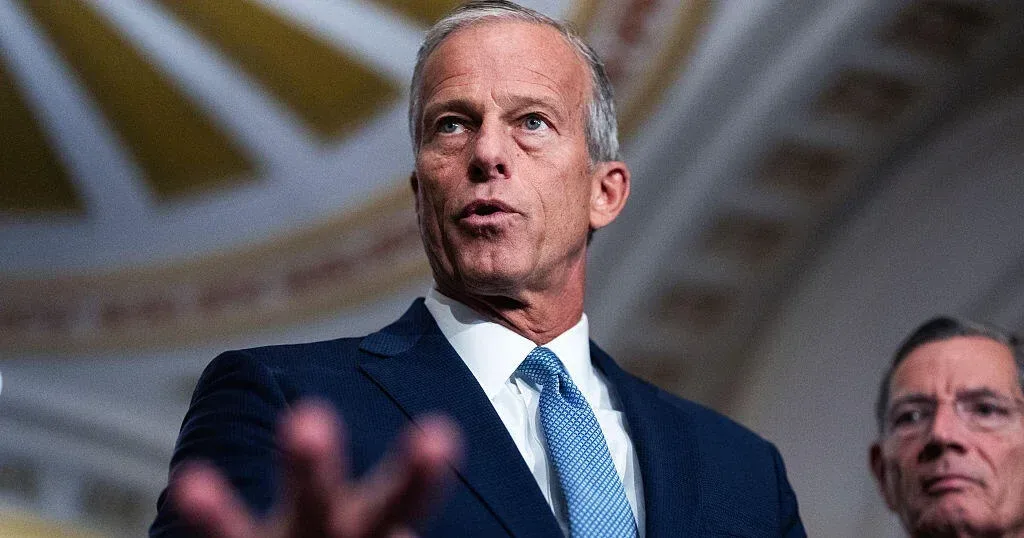
Photo: CBS News
Why does it matter?
Lawmakers have negotiated on and off for years over how to speed up big projects. Rising energy prices have brought the issue more attention, CBS News reported. Negotiators announced a deal in September. President Trump has said he supports it.
Who supports and opposes it?
Fifteen members of the Democratic caucus voted yes, along with nearly all Republicans. Republican Sen. John Barrasso of Wyoming said the bill would cut red tape. "In America today, it takes too long, and it costs too much to build," he said.
Thirty-one Democrats voted no. So did two Republicans: Mike Rounds of South Dakota and Josh Hawley of Missouri. Many opponents said the bill would weaken environmental protections and lead to more fossil fuel projects. Some renewable energy developers back the bill, but environmental groups oppose it.
Democratic Sen. Jeff Merkley of Oregon raised concerns about clean air and water rules in the states, new data centers, the deficit and tribal rights. He also said he worries Trump will keep blocking wind projects. "Embedded in this bill is a fundamental question about the direction we go regarding our responsibilities to this planet," Merkley said.
What happens next?
The House faces objections from both parties. Some House Republicans object to changes to the bill's power line rules tied to grid reliability. Some Democrats want changes too. A spokesperson for House Minority Leader Hakeem Jeffries said he backs permitting reform but sees problems with the Senate version.
It is unclear whether the House will act before the end of the year. Senate Majority Leader John Thune said he did not know if the House would pass the bill as written. Trump would need to sign any final version.
15
That's how many members of the Democratic caucus joined Republicans to pass the bill, according to CBS News.
P.S. Next time a road project seems to take forever, now you know one reason why.
Sources
Researched with AI assistance. Review and fact-check before publishing.